Canbury Gardens planting services by Kingston gardeners
Posted on 18/10/2026
Canbury Gardens Planting Services by Kingston Gardeners: A Practical Local Guide
Canbury Gardens has that easy, lived-in Kingston feel: a place where planting needs to look good, cope with real weather, and still feel welcoming from the first glance. If you are exploring Canbury Gardens planting services by Kingston gardeners, you are probably not just after "someone to put a few plants in the ground". You want a garden that settles in properly, suits the space, and keeps improving instead of turning patchy after the first season. That is exactly where thoughtful planting work makes a difference.
This guide breaks down what planting services involve, why they matter in a local setting like Canbury Gardens, how a good gardener approaches the job, and what to expect if you are comparing options. You will also find a practical checklist, common mistakes to avoid, and a realistic example of how a planting project can come together without making the whole process feel complicated. Let's face it, planting well is part planning, part timing, and part knowing when to leave a bit of space for nature to do its job.
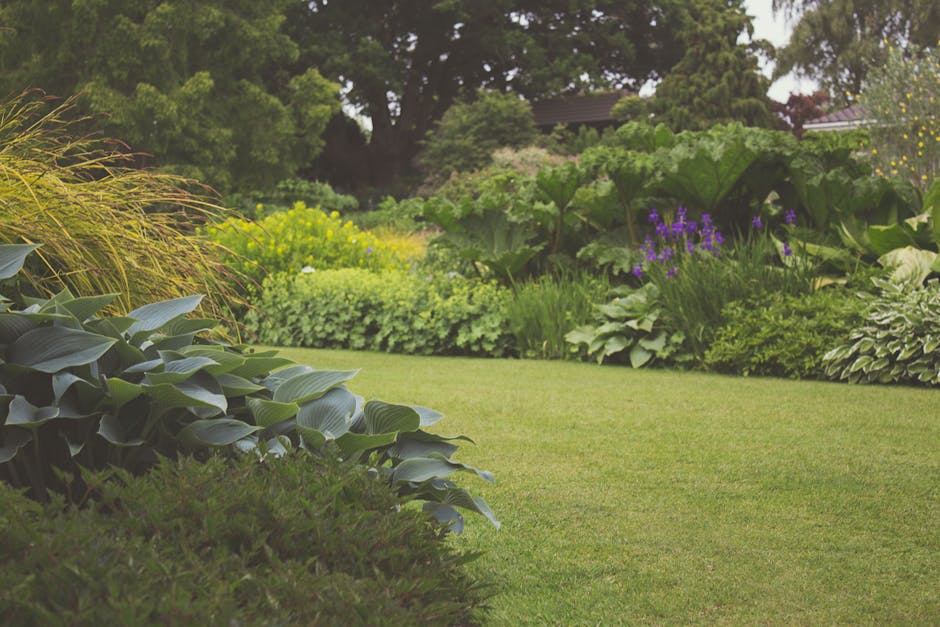
Why Canbury Gardens planting services by Kingston gardeners Matters
Good planting is not decorative icing. It shapes how a garden works day to day. In Canbury Gardens and the wider Kingston area, planting has to deal with a mix of conditions: seasonal shade, pockets of wind, varying soil quality, and the odd spell of dry weather when everything suddenly looks a bit tired. A planting plan that ignores those realities can look fine for a few weeks and then unravel quickly.
That is why local knowledge matters. Kingston gardeners who understand the area can make more sensible choices about plant selection, spacing, soil improvement, and maintenance rhythm. They know that some borders will need better structure, some spots need drought tolerance, and others need planting that softens hard edges without becoming a maintenance headache. If you are trying to build a garden that feels calm, balanced, and not too fussy, the details count.
Planting services also matter because they reduce guesswork. Instead of buying plants on instinct and hoping for the best, you can work from a plan. That usually means fewer losses, less waste, and a much better chance that the garden still looks considered six months later, not just on day one. For many households, that alone is worth it.
There is another point too. Planting changes how people use a garden. A neatly structured border can create privacy. Low-maintenance planting can make a small outdoor space feel bigger. Pollinator-friendly planting can add movement and life. In other words, planting is not just about colour. It changes the atmosphere.
If you want the planting side to sit within a wider garden improvement, it often works well alongside broader gardening support in Kingston upon Thames or a longer-term garden maintenance plan. That gives the planting a better chance to settle in properly.
How Canbury Gardens planting services by Kingston gardeners Works
In practice, planting services usually begin with a look at the garden rather than a quick plant list. A decent gardener will assess the site, ask how you use the space, and identify what the planting needs to achieve. Is the priority privacy? Lower upkeep? A brighter border? Year-round structure? Better soil health? The answers affect everything that follows.
The process normally includes a few core stages:
- Site assessment - checking sun, shade, exposure, drainage, and soil condition.
- Planting brief - deciding what the garden should feel like and how much upkeep is realistic.
- Plant selection - choosing plants that suit the local conditions and the look you want.
- Soil preparation - improving the ground before anything is planted, which is often the bit that gets skipped by impatient DIY jobs.
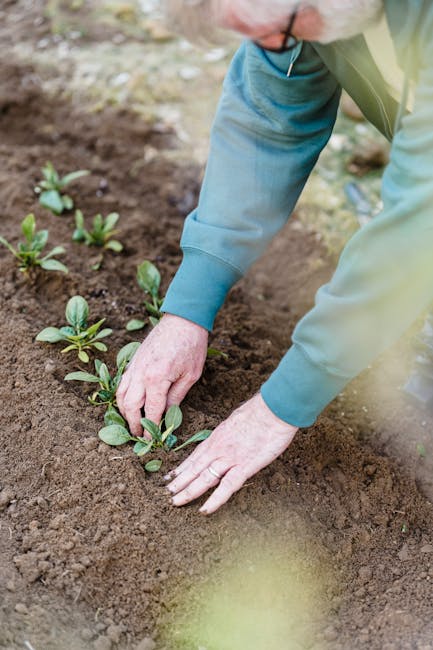
- Planting and spacing - placing each plant at the right depth and distance so it has room to establish.
- Mulching, watering, and aftercare advice - helping the new planting settle in.
That final stage matters more than most people realise. A garden can look successful on planting day and still fail later if the aftercare is vague. The best services give clear guidance about watering frequency, staking, feeding, and whether some plants should be cut back or left alone. To be fair, "leave it alone" is sometimes the hardest instruction for enthusiastic gardeners to follow.
Local gardeners often draw on related knowledge too. For example, planting a mixed border is not the same as setting up a small urban scheme or a sheltered corner with containers. If you are interested in compact or layered planting, articles such as an in-depth look at container gardening and vertical gardening as an urban oasis show how shape and space influence plant choices.
Key Benefits and Practical Advantages
There are obvious benefits to professional planting, but the really useful ones are the practical, quiet gains you notice over time.
- Better plant survival - correct planting depth, soil prep, and spacing all improve establishment.
- Less long-term maintenance - smart combinations reduce weeding, deadheading, and constant reshuffling.
- Stronger seasonal interest - you can plan for flowers, foliage, texture, berries, or winter structure.
- Improved privacy and screening - especially useful if neighbouring windows overlook the garden.
- Healthier soil conditions - planting often works best when paired with compost or other organic improvement.
- More confidence in the result - there is something calming about knowing the right plant is in the right place.
One overlooked advantage is pacing. A good planting plan does not need the whole garden to be transformed in a single weekend. In fact, the most successful results often happen in stages. First the soil, then the structure, then the detail planting. That approach gives the garden room to breathe.
For gardens with persistent weeds or tired borders, planting services can also be part of a reset. Before new plants go in, it may make sense to clear the area properly and remove invasive growth. If that sounds familiar, practical weed control tips and overgrown ivy solutions are both relevant reading.
Expert takeaway: the best planting services do not just "fill space"; they build a garden that is easier to live with, easier to maintain, and more likely to mature gracefully.
Who This Is For and When It Makes Sense
Planting services are not only for large gardens or major redesigns. They make sense in a surprisingly wide range of situations.
- New homeowners who have inherited a blank or awkward garden and want direction.
- Busy households that want something attractive without constant upkeep.
- Older gardens that have become thin, patchy, or dominated by a few tired shrubs.
- Small gardens where every square metre needs to work harder.
- Family gardens that need safer, softer, and more practical planting.
- Pet-friendly spaces where plant choice needs a bit more care.
- Front gardens that need kerb appeal without turning into a maintenance burden.
It is also a smart option if you have tried planting yourself and something has felt off. Maybe the border looked beautiful in spring but collapsed by midsummer. Maybe everything is healthy except one damp corner that never quite behaves. Maybe you simply do not want to keep guessing. Honestly, that is a very normal point to reach.
If your goals are more specific, the right gardener can tailor planting to the job. For example, a shade-heavy space may benefit from shade-friendly climbers, while a boundary that needs soft screening may be better served by fast-growing hedges for natural partitioning.
Step-by-Step Guidance
If you are planning a planting project in Canbury Gardens, it helps to think in a proper sequence rather than jumping straight to plant shopping. A tidy sequence usually saves money and a fair bit of frustration.
1. Clarify the purpose
Start with the garden's job. Do you need privacy, colour, pollinators, structure, scent, or low maintenance? A garden can do several of these things, but one main aim keeps the plan coherent.
2. Read the site honestly
Notice where the sun hits, where water collects, where the wind moves through, and which parts stay cold or shaded. A plant that thrives in one corner may struggle in another just three metres away. That sounds obvious, but it catches people out all the time.
3. Improve the soil before planting
Soil prep is one of the biggest predictors of success. Depending on the condition of the ground, this may involve adding compost, improving drainage, or loosening compacted areas. If you want the timing side of this to make sense, the article on incorporating nutrients into garden soil gives a helpful overview of when and how soil improvement tends to work best.
4. Choose plants that suit the real conditions
Do not choose for looks alone. Height, spread, root behaviour, watering needs, and seasonal performance matter just as much. A beautiful plant in the wrong spot is still the wrong plant.
5. Plant with future growth in mind
Spacing is crucial. A bed can look empty for a few months and then feel overcrowded a year later if the mature size was not considered. Leave room. Gardens hate being squeezed.
6. Mulch and water properly
After planting, mulch helps retain moisture and reduce weeds. Watering should be steady rather than frantic. A little deep watering is usually better than frequent surface splashing.
7. Monitor establishment during the first season
The first growing season is where the real story unfolds. You may need to adjust watering, replace one or two weak plants, or tidy growth away from paths and borders. That is normal. A planting scheme is not finished the moment the spade goes down.
Expert Tips for Better Results
These are the kinds of things experienced Kingston gardeners often keep in mind, even if clients do not always see them happening.
- Work with the microclimate - the same garden may have warm, sheltered pockets and colder, exposed edges.
- Use layers - ground cover, mid-height planting, and taller focal plants create depth and reduce bare soil.
- Mix evergreen and seasonal interest - that way the garden does not look empty in winter.
- Prioritise plant health over quantity - fewer strong plants are better than a crowded border of weak ones.
- Plan for maintenance honestly - if you do not want weekly attention, avoid fussy combinations.
- Think about how the garden smells and sounds - fragrant herbs, rustling grasses, and pollinator-friendly flowers change the whole feel.
A small but useful detail: if a border is visible from indoors, choose planting that looks good from the house as well as from the garden. A view from the kitchen window can matter more than the rear fence line, especially in winter when you are looking out at the garden rather than sitting in it.
For gardeners who want a slightly more resilient design, it can help to read about protecting gardens from weather extremes and managing wind in the garden. Those factors influence planting far more than people expect.
Common Mistakes to Avoid
Most planting problems are not dramatic. They are small slips that quietly add up.
- Choosing plants that are too large for the space - this leads to crowding, pruning stress, and poor airflow.
- Ignoring drainage - wet feet can ruin plants quickly, especially in heavier soils.
- Planting without soil improvement - poor soil gives poor results, simple as that.
- Overwatering newly planted beds - too much water can be as unhelpful as too little.
- Mixing incompatible plant needs - sun lovers and shade lovers should not be forced into the same corner and expected to cope.
- Forgetting maintenance access - if you cannot reach the back of a border, the back of that border becomes a problem later.
There is also a design mistake that is easy to miss: planting everything at the same height. It can look tidy in the moment, but it often leaves a flat, lifeless finish. A successful border usually has rhythm, not uniformity. That bit of variation matters.
Tools, Resources and Recommendations
You do not need a van full of fancy gear to carry out good planting, but the right tools make the job cleaner and safer.
- Spade and border fork - for digging, turning, and loosening soil.
- Hand trowel - useful for precise planting in tighter spaces.
- Rake - helps level soil and prepare beds neatly.
- Watering can or hose with controlled flow - essential for establishment.
- Mulch material - composted bark, leaf mould, or similar organic cover.
- Gloves and kneeling support - a small comfort, but your knees will thank you later.
As for planning resources, the most useful material is often simple and local: a site sketch, photos of the garden at different times of day, and an honest note on how much upkeep you can realistically manage. That beats any glossy plant wish list. If you are just starting out, beginner gardening tips and essential garden tools are both useful background reads.
For low-maintenance ideas, you may also find simple low-maintenance garden approaches helpful. And if sustainability matters to you, sustainable planting ideas can point the design in a kinder direction.
Law, Compliance, Standards, or Best Practice
Planting itself is usually straightforward, but good practice still matters. In a local residential setting, the main concerns are safe working, responsible waste handling, and respecting neighbouring properties. A professional gardener should work carefully around boundaries, avoid unnecessary disturbance, and keep paths, driveways, and access routes clear while the job is underway.
Where trees or larger shrubs are involved, extra caution is sensible. Some planting changes can affect root spread, drainage, light, or future access for pruning. If a project includes larger structural work, it may sit alongside tree care, hedge maintenance, or fencing adjustments. In those cases, it is wise to look at related support such as tree surgery in Kingston upon Thames or fencing services where the garden layout demands it.
Best practice also means being clear about expectations. A trusted gardener should explain what is included, how long the planting may take to establish, and what aftercare is expected from the homeowner. If a company is transparent about its working practices, you will usually find it is transparent about everything else too. That includes policies such as health and safety, insurance and safety, terms and conditions, and privacy.
Options, Methods, or Comparison Table
Planting services can be approached in a few different ways. The right choice depends on budget, speed, and how confident you are about the end result.
| Approach | Best For | Pros | Watch Outs |
|---|---|---|---|
| Simple border planting | Refreshing an existing bed | Quick, affordable, easy to phase | Can look unfinished if structure is weak |
| Full planting plan | Major makeovers or blank gardens | Coherent design, better long-term balance | Needs more upfront planning |
| Low-maintenance planting | Busy households or second homes | Less upkeep, durable and practical | May feel less colourful in some seasons |
| Feature planting | Focal points, entrances, seating areas | Strong visual impact, easy to tailor | Needs the right scale or it can dominate |
| Layered mixed planting | Year-round interest and biodiversity | Rich texture, better seasonal performance | Requires thoughtful plant pairing |
For some properties, planting is only one part of the bigger picture. A border beside a patio or seating area might be best planned with patio cleaning or even decking work in mind, so the whole area feels joined-up rather than patched together.
Case Study or Real-World Example
Picture a modest rear garden in Canbury Gardens that had become, in truth, a bit sad around the edges. The centre was usable, but the borders were thin, the soil was tired, and one side of the garden got more shade than the owner had realised when they first moved in. The front looked okay from a distance, but up close it felt unfinished. You know the sort of thing.
A Kingston gardener would usually start by clearing the worst of the weeds and checking the soil. The shady side might be given structural planting with a few evergreen anchors, a soft layer of shade-tolerant perennials, and climbers to lift the height without making the space feel crowded. The sunnier side could take herbs and longer-flowering plants for colour and scent. A low, spreading ground cover might be used where bare soil kept appearing after rain.
The result would not be an instant magazine garden. And it should not be. But after a season, the space would begin to feel more settled. The borders would hold together better, the weeding would be less relentless, and the owner would have a garden that finally looked as though someone had thought it through. That is the value of proper planting services. Not perfection. Just a garden that works.
In a situation like this, planting can also support family use or pet use. If that matters to you, kid-friendly garden ideas and dog-friendly gardening advice are worth exploring before final plant choices are made.
Practical Checklist
Before you book or begin any planting work, run through this checklist. It keeps things grounded.
- Do I know what I want the planting to achieve?
- Have I looked at sun, shade, wind, and drainage properly?
- Do I need soil improvement before planting starts?
- Have I thought about mature plant size, not just current size?
- Is the garden meant to be low maintenance or more display-focused?
- Do I want evergreen structure as well as seasonal colour?
- Will the plant choices suit children, pets, or frequent foot traffic?
- Have I considered access for watering and future maintenance?
- Do I want the planting to work with a patio, lawn, hedge, or fence line?
- Have I asked what aftercare is needed in the first season?
If you are tackling a larger refresh, it may also help to think about wider improvements such as landscaping support or lawn care, especially if the planting is only one piece of the overall garden plan.
Conclusion
Canbury Gardens planting services by Kingston gardeners are really about making the garden easier to live with, not just prettier for a week or two. When planting is guided by site conditions, soil quality, maintenance reality, and a clear design purpose, the result feels calmer and more dependable. That is what good local gardening should do: reduce stress, improve the space, and quietly make life better every time you step outside.
Whether you are refreshing a border, rethinking a whole garden, or trying to make sense of a tricky corner that never quite behaves, professional planting can take the guesswork out of the process. And once it is done well, you tend to notice it in small ways first: a better view from the kitchen, less bare soil after rain, more colour near the path, or simply that pleasant feeling when everything looks as if it belongs.
Get a free quote today and see how much you can save.
And if you are still weighing it up, that is fine too. A good garden grows into itself, and so do the best decisions about it.


Utilizing his background as an experienced gardening manager, Jason has assisted thousands of customers in achieving the garden designs they longed for. His articles focus on sustainable gardening practices and user-friendly services.