KT1 garden maintenance tips from Kingston upon Thames gardeners
Posted on 03/11/2026
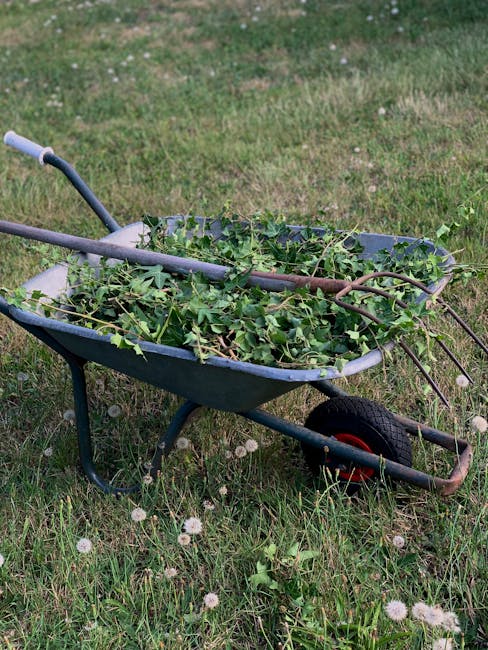
KT1 Garden Maintenance Tips from Kingston upon Thames Gardeners
If you live in KT1, you already know the garden has its own personality. One week it looks bright and orderly, the next it is full of weeds, damp patches, blown leaves, and a hedge that seems to have grown overnight. The best KT1 garden maintenance tips from Kingston upon Thames gardeners are the ones that work with local conditions, not against them. That means steady upkeep, sensible planting, and a routine that fits the reality of life in Kingston upon Thames, where gardens can be shaded, exposed, compact, or all three at once.
This guide brings together practical, local-friendly advice for keeping your outdoor space healthier and easier to manage. Whether you are dealing with a small town garden, a family plot that never seems to stay tidy for long, or a larger space that needs a proper reset, you will find clear steps, common pitfalls, and a few smart shortcuts along the way. Truth be told, a well-maintained garden is less about dramatic effort and more about rhythm.
- Why KT1 garden maintenance matters
- How garden maintenance works in KT1
- Key benefits and practical advantages
- Who this is for and when it makes sense
- Step-by-step guidance
- Expert tips for better results
- Common mistakes to avoid
- Tools, resources and recommendations
- Law, compliance, standards, or best practice
- Options, methods, or comparison table
- Case study or real-world example
- Practical checklist
- Conclusion
- Frequently asked questions
Why KT1 garden maintenance tips from Kingston upon Thames gardeners Matters
KT1 gardens are shaped by the local environment in a way that people sometimes underestimate. Kingston upon Thames has a mix of mature residential streets, newer developments, tree cover, and plenty of gardens that sit in pockets of shade or wind. That means the same maintenance plan will not suit every home. A sunny back garden near a wall will dry out quickly. A narrow side return may stay damp and invite moss. A border under established trees can become hungry, thin, and weedy if you leave it alone for too long.
That is why local knowledge matters. Gardeners working in KT1 tend to focus on maintenance that is realistic through the seasons: pruning at the right time, keeping soil fed, preventing weed build-up, and managing growth before it turns into a full-scale problem. It sounds simple, and in a sense it is. But simple does not mean careless. If you stay ahead of the garden by even a little, everything becomes easier.
There is also the visual side. In a place like Kingston upon Thames, outdoor spaces often connect directly to how a home feels. A tidy lawn, well-cut hedge, and clean patio can make the whole property feel calmer. Let's face it, nobody wants to start the weekend by fighting brambles with a blunt pair of shears.
For more on feeding soil properly at the right time, the guide on incorporating nutrients into garden soil is a useful companion read.
How KT1 garden maintenance tips from Kingston upon Thames gardeners Works
Good garden maintenance is not one grand job. It is a series of smaller jobs done often enough that nothing gets out of hand. In practical terms, that usually means looking at six areas: lawn care, pruning, planting, feeding, weeding, and hard surface upkeep. Some gardens need all six every month. Others only need a lighter touch. The trick is knowing which is which.
A local gardener will usually begin with a walk-through. They look at what is growing strongly, what is struggling, where water collects, and where the garden is spending too much energy on the wrong things. Ivy taking over a fence, for example, is not just a trim issue. It can be structural, messy, and expensive if ignored too long. If ivy is already causing trouble, this practical article on ivy solutions for overgrown growth is worth reading.
From there, the maintenance plan becomes a cycle:
- Assess the condition of the lawn, beds, paths, hedges, and containers.
- Clear obvious problems such as weeds, fallen branches, and debris.
- Cut back or shape growth before it becomes woody or untidy.
- Feed and mulch to support healthier soil and roots.
- Protect vulnerable plants during cold or windy weather.
- Repeat regularly rather than waiting for a big seasonal clean-up.
That last point matters more than people expect. Many gardens look fine until they suddenly do not. A few missed weeks in spring or early summer can produce a cascade of work that takes ages to unwind.
For gardeners in flats, terraces, or homes with limited ground space, compact solutions can also help. Container planting, vertical planting, and low-maintenance edging can turn a tricky plot into something far easier to manage. If that sounds familiar, the article on container gardening gives a solid starting point.
Key Benefits and Practical Advantages
Regular garden maintenance delivers more than a neat look. It changes how the whole space functions. A maintained garden is easier to enjoy, cheaper to rescue, and far less stressful to live with. That is the honest version.
- Less repair work later - small jobs now prevent larger ones later.
- Better plant health - pruning, feeding, and weeding reduce competition and stress.
- Cleaner outdoor living areas - paths, patios, and decking stay usable for longer.
- Safer movement - trimmed growth and clear surfaces reduce trip hazards and awkward access points.
- Stronger seasonal resilience - your garden copes better with rain, dry spells, and winter cold.
- Improved kerb appeal - a tidy garden quietly improves the whole property.
There is a small but real emotional benefit too. When your garden is under control, you actually use it. You sit outside with tea. You open the doors in the morning and the place feels fresh rather than chaotic. That sounds a bit sentimental, perhaps, but it is true.
A well-maintained border can also support biodiversity if you choose the right plants. Ground cover, shrubs, and climbers can soften difficult spaces while reducing bare soil and weed pressure. For plant choices that suit UK conditions, see the guide to ground cover plant options for UK landscapes.
Who This Is For and When It Makes Sense
This kind of advice is useful for a wide range of homeowners and renters, but it especially suits people who want a garden that looks good without becoming a second job. If you are busy, away from home often, managing a family garden, or simply not keen on doing heavy maintenance yourself, a structured approach saves a lot of frustration.
It also makes sense if you are noticing one or more of these signs:
- the lawn is patchy, thin, or full of moss
- hedges are growing unevenly or blocking light
- weeds keep returning in the same places
- your patio or decking looks dull and slippery
- plants are surviving, but not really thriving
- the garden feels bigger than the time you have for it
For some people, maintenance is mostly a weekly tidy-up. For others, it is a rescue mission. If your outdoor space has been neglected for a while, the article on starting a vibrant garden makeover is a helpful bridge between "messy" and "manageable".
Families with pets or children may also need to think about layout, plant safety, and durable surfaces. A garden should be enjoyable, yes, but it should also fit daily life. A strip of lawn that gets trampled every afternoon needs a different approach from a decorative border that nobody touches.
Step-by-Step Guidance
If you want a straightforward routine, start here. This is the kind of maintenance structure many Kingston upon Thames gardeners use because it is practical and easy to repeat.
1. Begin with a quick survey
Walk around the whole garden before touching anything. Look for overgrowth, weeds, broken stems, puddles, loose edging, and areas that feel neglected. A five-minute scan can save you from doing jobs in the wrong order.
2. Clear the obvious clutter
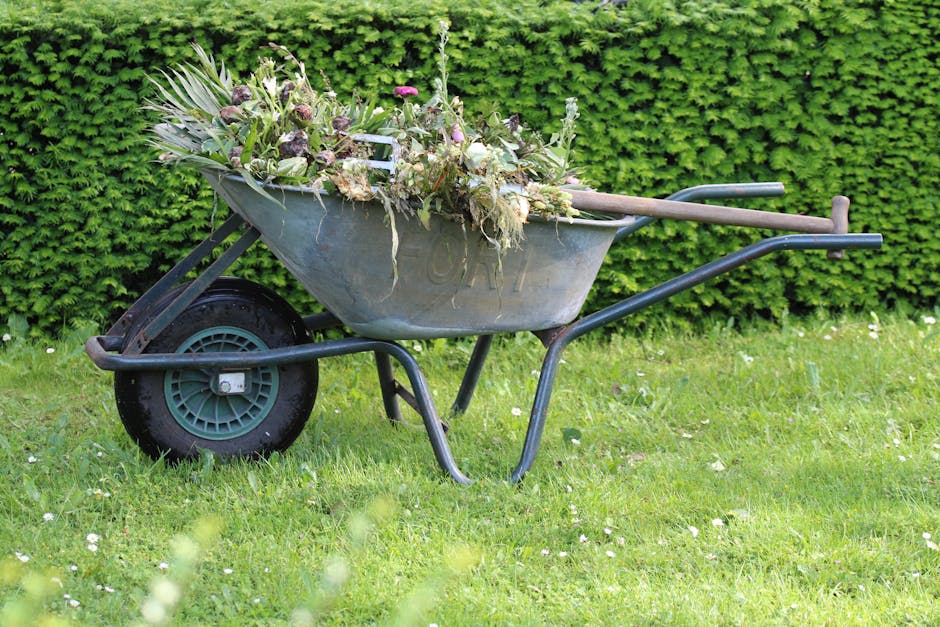
Remove fallen leaves, cuttings, dead annuals, and any garden waste sitting around. This gives you a clear view of what the garden actually needs. It also helps air move through the space, which matters more than people think after wet spells.
3. Tackle weeds before they seed
Weeds are always easier when they are small. Pulling them early prevents spreading and keeps borders looking cleaner. If you need a more focused approach, the article on weed control tips gives a few useful methods that suit everyday gardens.
4. Feed the soil, not just the plants
Healthy plants start in healthy soil. Add compost, well-rotted organic matter, or a suitable feed when growth is active. Timing matters, and overfeeding can be as unhelpful as underfeeding. For a clearer look at soil feeding, that nutrient guide mentioned earlier is worth revisiting.
5. Prune with intention
Take off damaged, crowded, or wayward growth. The aim is not to make everything tiny. It is to improve shape, airflow, and future growth. Some shrubs respond well to light regular pruning; others prefer a more careful seasonal cut. If you are unsure, go slower. Better a modest prune than a regrettable one.
6. Refresh lawns and edges
Mow regularly in the growing season, keep edges crisp, and avoid cutting too short. A stressed lawn is more vulnerable to weeds and summer scorch. If your lawn is already looking tired, a dedicated lawn care approach usually works better than random patch fixes.
7. Clean hard surfaces
Paths, patios, and decking gather algae, dirt, and leaf stains. A neglected hard surface can make the whole garden seem dirtier than it is. Routine cleaning helps keep the space safe and pleasant, especially in the damper months. If this part of the garden is overdue, the page on patio cleaning in Kingston upon Thames is relevant.
8. Finish with a seasonal adjustment
In spring and summer, focus on growth control. In autumn, prioritise leaf clearance, cutting back tender growth, and protecting roots. In winter, concentrate on drainage, frost protection, and damage checks after wind or heavy rain. Different season, different job. Obvious in theory, slightly ignored in practice.
Expert Tips for Better Results
Here is where local experience makes a real difference. A garden in KT1 can change quickly because of shade, airflow, and soil conditions, so the most effective maintenance habits are usually the boring ones done well.
- Mulch at the right time. A spring or autumn mulch can help lock in moisture, improve structure, and reduce weed growth. It is a simple upgrade with a big payoff.
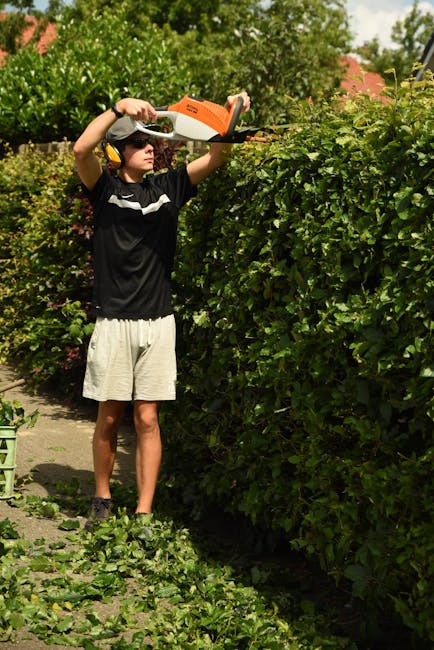
- Trim hedges before they become a problem. Light, frequent hedge work is easier than trying to recover a hedge that has gone soft and leggy. For trimming styles and seasonal guidance, see contemporary hedge trimming ideas and the service page for hedge trimming in Kingston upon Thames.
- Use ground cover where grass struggles. Shady corners, awkward banks, and narrow edges often do better with low-growing plants than with repeated reseeding.
- Don't ignore wind exposure. Fences, climbers, and tall shrubs can get battered. If your garden feels exposed, the article on managing garden winds offers useful perspective.
- Keep planting practical. A garden full of high-maintenance plants is lovely for about three weeks, then slightly less lovely when your calendar gets busy.
- Work from the outside in. Boundaries, edges, and access routes first. Beds and detail work second. It sounds ordinary, but it keeps the job calm.
If you like edible planting, herbs are one of the smartest additions to a low-fuss maintenance plan. They are useful, fragrant, and generally forgiving. The guide to herb gardening is a good companion piece.
And if you want a more design-led garden that still stays manageable, it is worth exploring low-maintenance garden ideas. That is where maintenance and planning stop fighting each other.
Common Mistakes to Avoid
Most garden problems do not appear overnight. They build quietly through small oversights. Here are the big ones local gardeners see all the time.
- Cutting too much at once. Hard pruning at the wrong time can weaken a plant or leave it looking raw for months.
- Letting weeds mature. Once they seed, you are handing yourself more work later. Simple as that.
- Ignoring drainage. If one corner stays boggy, feeding and trimming will only go so far.
- Using the wrong plant for the site. A sun lover in deep shade is always going to sulk.
- Overwatering containers. Pots dry out quickly in warm weather, but too much water can be just as damaging. If you use pots heavily, the container gardening guide linked earlier is handy.
- Skipping winter prep. A calm winter often hides hidden damage until spring reveals it all at once.
One common mistake deserves special mention: people often focus on what is most visible. That means flowers, upper growth, and front-facing tidy-ups. But soil health, root space, and the base of hedges matter just as much, if not more. Gardens are a bit sneaky like that.
Tools, Resources and Recommendations
You do not need a van full of kit to keep a KT1 garden in good shape. A few reliable tools, used regularly, go a long way.
| Tool or resource | Best use | Why it helps |
|---|---|---|
| Bypass secateurs | Pruning live stems and small shoots | Makes clean cuts and reduces plant damage |
| Long-handled shears | Hedge shaping and quick topiary tidying | Good for even lines and safer reach |
| Stiff broom or garden rake | Clearing leaves and loose debris | Useful for patios, paths, and beds |
| Fork or border spade | Turning soil and adding compost | Helps with aeration and seasonal soil work |
| Weed tool | Removing roots from cracks and borders | Better than scraping alone |
| Mulch or compost | Feeding beds and protecting soil | Supports long-term structure and moisture retention |
For a broader picture of useful kit, the article on essential gardening tools is a practical read. If you are considering professional help instead of doing everything yourself, the main gardening services in Kingston upon Thames page is the right place to start.
For people wanting a garden that works with nature rather than against it, there is also a strong sustainability angle. Soil improvement, habitat-friendly planting, and lower-input maintenance all help reduce wasteful rework over time. The article on sustainable gardens as climate protectors explores that idea well.
Law, Compliance, Standards, or Best Practice
Most everyday garden maintenance is not heavily regulated, but there are still sensible standards and responsibilities to keep in mind. If work involves trees, fences, or access near shared boundaries, it is wise to check ownership and discuss any planned changes with neighbours when appropriate. That avoids the awkwardness nobody enjoys.
For larger or more technical tasks, best practice matters. Safe ladder use, correct tool handling, and awareness of hidden hazards should never be an afterthought. If you are hiring help, it is fair to expect clear communication about insurance, safety, and how work will be carried out. The site pages on insurance and safety and health and safety policy are useful trust signals for customers checking standards.
Some jobs also need extra care around wildlife, nesting birds, or protected habitats. You do not need to become a legal expert to be a responsible gardener, but you should avoid rushing into cuts or clearance when there is a chance of disturbing nesting activity. When in doubt, pause and assess properly.
Commercially, a reputable gardening provider should be clear about pricing, payment expectations, and what is included in the service. Transparent terms are not a bonus; they are the baseline. For that reason, the pages on pricing and quotes and payment and security are relevant to the decision-making stage.
Options, Methods, or Comparison Table
There is no single right way to maintain a garden in KT1. The best method depends on the size of the space, how much time you have, and whether the garden is more decorative, practical, or family-focused. Here is a simple comparison to help you decide.
| Method | Best for | Strengths | Trade-offs |
|---|---|---|---|
| DIY weekly upkeep | Smaller, manageable gardens | Low cost, flexible, personal control | Easy to fall behind if life gets busy |
| Seasonal deep maintenance | Gardens that need periodic resets | Catches up overgrowth and prepares for the next season | Can feel overwhelming if left too long |
| Regular professional maintenance | Busy households and larger plots | Consistent results, less stress, faster turnaround | Ongoing cost |
| Mixed approach | Most homes, honestly | Balances budget and consistency | Needs a clear routine so nothing slips |
If your garden has hedge lines, boundary planting, or privacy screening, you might also compare general maintenance against specialist hedge care. The local page for hedge trimming in Kingston upon Thames is especially useful if shape and height are becoming an issue.
For gardens with difficult corners, the right planting strategy can also cut maintenance dramatically. Shade-tolerant climbers, fast-growing hedges, and ground cover all do a lot of hidden work behind the scenes. They are not glamorous. They are just effective.
Case Study or Real-World Example
Here is a typical KT1 scenario. A homeowner has a medium-sized rear garden with a patchy lawn, a hedge running along one side, a few tired borders, and a patio that has gone a bit green after a wet stretch. Nothing dramatic. Just enough to make the space feel neglected.
The first pass is straightforward: clear leaf litter, remove weeds, tidy the hedge line, and cut the lawn to a sensible height rather than scalping it. The patio is cleaned so the whole area stops looking grey and dull. The borders are then mulched and replanted with a few reliable, lower-maintenance plants so the soil is covered and weeds are less keen to return.
After that, the difference is not just visual. The garden becomes easier to maintain because each part now supports the next. The hedge casts a cleaner line. The lawn is stronger. The borders hold moisture better. The patio does not feel slippery. The space starts to feel deliberate again, which is often the turning point.
We have seen plenty of gardens where the first big win is not the biggest job. It is the job that makes everything else easier. Sometimes that means a lawn cut. Sometimes it is a hedge reset. Sometimes it is simply removing the clutter that has been annoying you for months. Small victory, but a real one.
Practical Checklist
Use this as a simple maintenance check for your KT1 garden.
- Clear leaves, twigs, and loose debris
- Remove weeds before they seed
- Check the lawn for bare patches, moss, or compaction
- Trim hedges lightly and regularly
- Prune damaged or overcrowded growth
- Feed soil with compost or suitable organic matter
- Refresh mulch where borders are exposed
- Inspect patios, paths, and decking for slipperiness
- Water containers and new plants properly
- Protect tender plants ahead of cold weather
- Check fences, ties, and climbers after strong wind
- Book a deeper tidy-up if the garden is slipping behind
When this checklist becomes a habit, your garden stops feeling like a problem to solve and starts feeling like part of the home again. Not perfect. Just under control. And that is usually enough.
Get a free quote today and see how much you can save.
Conclusion
The best KT1 garden maintenance is calm, regular, and realistic. Kingston upon Thames gardens do not need constant overhauls; they need attention in the right places at the right time. Keep weeds from spreading, feed the soil, trim growth before it turns awkward, and give the lawn, patio, and borders the sort of routine care that stops bigger problems from building up.
If you approach maintenance as a steady habit rather than a massive seasonal panic, the whole job becomes lighter. The garden looks better, feels easier to use, and costs less energy to keep in shape. That is the quiet win most people are looking for.
And honestly, there is something lovely about opening the back door and seeing a garden that feels ready for you. No drama, no mess, just a space doing its job. That counts for a lot.

Utilizing his background as an experienced gardening manager, Jason has assisted thousands of customers in achieving the garden designs they longed for. His articles focus on sustainable gardening practices and user-friendly services.